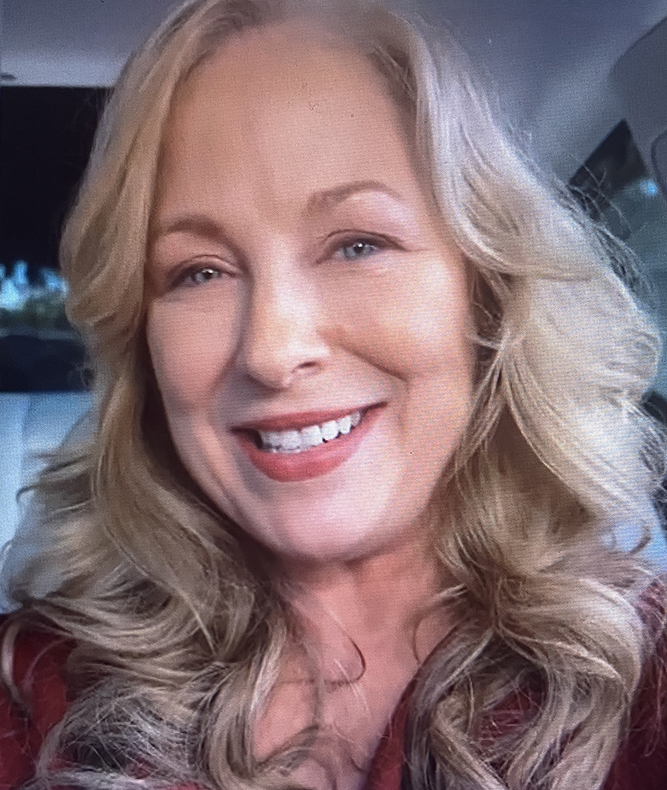
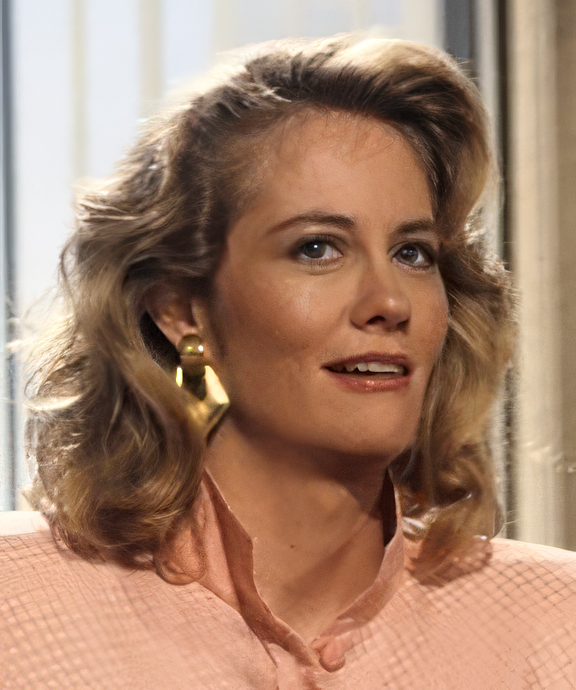
It took me a long time to realize the extent of ageism in American society because I didn’t feel a victim of it and wasn’t paying attention. But TV ads, among other things, have slowly alerted me to its scope, and I’ve begun to notice TV ads that offer solutions to manufactured ageist “problems,” ones that weren’t considered problems when I was young. For example, in my day, dazzling white teeth weren’t the rage. Most people, young or old, didn’t have them, and the only person I knew who did looked a little odd to me. For example, if you look at reruns of Moonlighting from the 1980s, you won’t see Cybill Shepherd or Bruce Willis flashing the blinding white teeth that ads now tell us we must have in order to look young and attractive (which seems to be the greatest achievement for American adults).
The present-day ad for Smileactives, a tooth whitener, illustrates this. After a pretty young girl tells us about the icky yellowing of teeth that happens as one ages and how using Smileactives will make one’s teeth look white and young again, she ends the ad saying (with a tinge of disgust in her voice), “You have a choice. You can have those yellow teeth and just be old Nana or PopPop. I love my white teeth.”
I was stunned when I heard words so blatantly disdainful of elders, particularly grandparents. I happen to “just be old Nana” (actually, old Grammie), and my husband is “just old PopPop” (actually, old Lare-Bear), and, like Nana and PopPop, we don’t possess the requisite teeth for attracting the admiration that being young or using Smileactives promises us. Should we get Smileactives so we, too, can look young again? After deep analysis, we’ve concluded that no one would be fooled by our new Smileactives teeth because everything else on our faces would still betray that we are old.
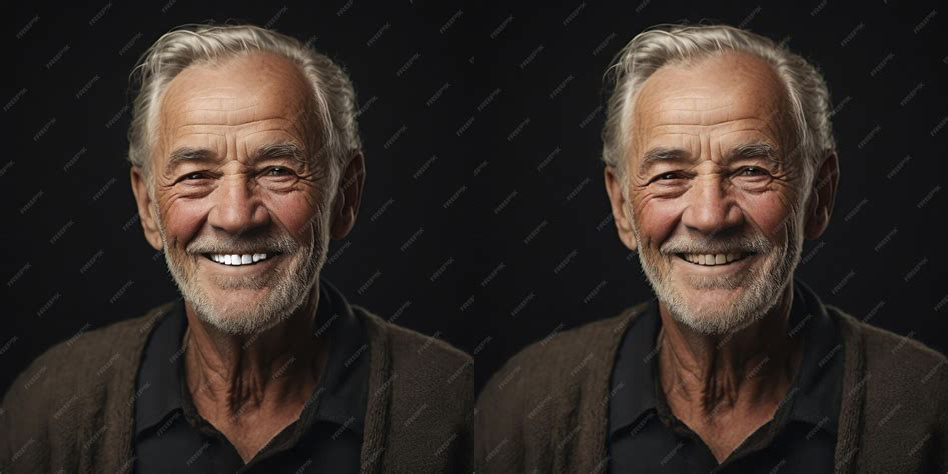
So, we’re counting on Garrett, Elena, and Little Ray to be smarter than those who fall for this ad and continue their lovefest with Grammie and Lare-Bear no matter how old we look.
Should we happen to change our minds, however, we have Plexi-Derm to make our faces look as young as what Smileactives can do for our teeth. Plexi-Derm promises an ointment that, when applied to our eye bags and creases, will temporarily erase those signs that we are getting older or are already old. The ad depicts a handsome, middle-aged man and a beautiful, much younger girl sitting at a restaurant table. The man has minor eye bags and some lines on his face. The voiceover expresses the girl’s horror when she becomes aware of these age indicators. In panic, she wonders how she can get out of having dinner with him. The ad cuts to a demonstration of how applying Plexi-Derm to those offensive signs of aging can get rid of them in minutes. The ad ends with a voiceover saying, “Don’t be the guy who loses a hot date before the appetizers even arrive.”
But what happens to that guy after he’s paid the bill, and his bags and lines slowly begin to reappear? I can imagine it would be like a horror movie scene as the young girl watches him slowly morph into Dracula. The ad doesn’t mention that inevitability or what to do should it occur earlier than expected. Maybe it’s in the fine print on the bottle. If not, to be safe, Plexi-Derm users should take a cue from Cinderella but flee well before midnight.
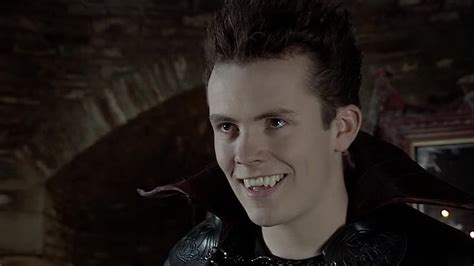
Dracula with Plexi-Derm

Dracula after Plexi-Derm wears off
I’m not against cosmetics; they’ve had their place in all societies for thousands of years, and I use them, too. What I am against is how the commercial drivers influencing our society have used ageism in their ads to create a “need” for their products. The two ads I’ve described are examples of how they have turned what once was normal and acceptable into something to be feared and fixed. Wielding shame and disgust, these ads manipulate us into buying anti-aging products to prolong the illusion that we are still young and, therefore, desirable and welcome in this society. This bolsters the fear of “getting/being old” and capitalizes on it.
However, no matter how vigorously advertisers glorify youthfulness, the reality is that 1) possessing it is not the greatest asset we can have, 2) youth isn’t ipso facto the best stage of our life (I wouldn’t be young again for anything), and 3) how old one does or doesn’t look has nothing to do with one’s merit. The criteria for merit should be our ethics, kindness, common sense, knowledge, curtesy, temperament, honesty, perception, thoughtfulness, compassion, and sense of humor. Any one of those should trump the color of our teeth or whether our eye bags can double as luggage for our next trip.
Can you imagine watching commercials as openly racist, homophobic, anti-feminist, or anti-trans as these ageist commercials are? No, because those groups have spoken out, organized against these “isms,” and won. It doesn’t matter if we elders aren’t whizzes at all things digital. We’re whizzes at the things that only years of life’s trials and successes hone. They’re called accomplishment, wisdom, and deep love. A wise society relies on its elders to provide person-to-person guidance with respect to these things. ChatGPT’s words cannot match what we offer. Experience is required.
Our society needs to stop glorifying youth, stop disdaining those over sixty, stop caving to ageist manipulation, and begin celebrating the contributions we elders make on so many levels. It begins with speaking up.
If you have experienced or noticed ageism, please share in the replies.
5 Responses
Now I’m really depressed. I’d not thought about tv commercials point of view on aging and how to avoid it. What I have noticed is the tons of medical drug ads. Now those ads are depressing and age related. Humorous ads are the best and most effective and memorable. This is how the world sees the Baby Boomers!!! We had the world before us and now it is how to recapture youth. Stuff that!!! We are better than that. We have experience, history, memories and still a future. I was at a hardshell crab feast today with lots of cousins of many generations. What a joy❤️🙏🎶🍰🍪🦀. I didn’t feel old. I felt appreciated and loved. Lucky me and you. I now have a smile on my face. Thank you for this blog. I really appreciate you ‼️‼️‼️
Thanks, Connie. And, oh, those medical ads! So depressing. I’m watching British TV more and more, mainly because I enjoy them a lot, but partly because I find all those commercials pointless and irritating.
Gray Panthers, unite!
Wonderful cover image on the Facebook lead-in.
Appearance is superficial, but mobility and flexibility are worthy goals for us whose outer nature is wasting away.
That’s true, Phil. My problem with our society is that it glorifies the superficialities of life. It’s a basically anti-intellectual society whose values revolve around money and youth. For me, money and youth are rather boring. There is SO much else we elders are free to revel in when we become old, because old age frees us from a lot of “must haves/must do’s”. In a way, I like the fact that I have become invisible, but I don’t like the fact that I’m regarded with contempt because I’m old. Yes, I’ve been treated nicely in public, but the advertising and entertainment sectors portray me and all elders in a misleading way. Last night, I saw a show called Major Crimes. It was about a group of elders who live together in an apartment complex where a murder takes place. The cast is wonderful – all well-known former TV and movie actors, and they were terrific. But the script made them quirky and slightly addled. They had committed a murder, but the script got them off the hook for that by making them irresistibly cute and funny, sort of like little kids and pets when they are cute and funny even when naughty, and we let them off the hook because of that. At first, I was enjoying watching their antics. Then, because I have become so aware of ageism, I realized that I was looking at a group of elders who don’t resemble ANY old people I know now or have ever known. I pictured how this group would have acted in real life, and that picture portrayed intelligent, emotionally mature people dealing with a difficult situation. I realized then just how much I accept our concept of old age that doesn’t include a penetrating understanding of human nature, intelligent problem-solving abilities, and a penchant for compassion. I’m not saying every old person has all these qualities, but a LOT do just from having gone through so much during a long, long life. But we are not regarded in that way in general. I think that our society hasn’t come to terms with death. Old people make younger people uncomfortable on an unconscious level, so instead of admiring us for having lived long, full lives, the sight of us reminds them that their experience of life is ephemeral.
Amen, sister! Elders, unite…
P.S. Dracula pix are priceless!